Skip to the story
Dark TidesSupply Co.
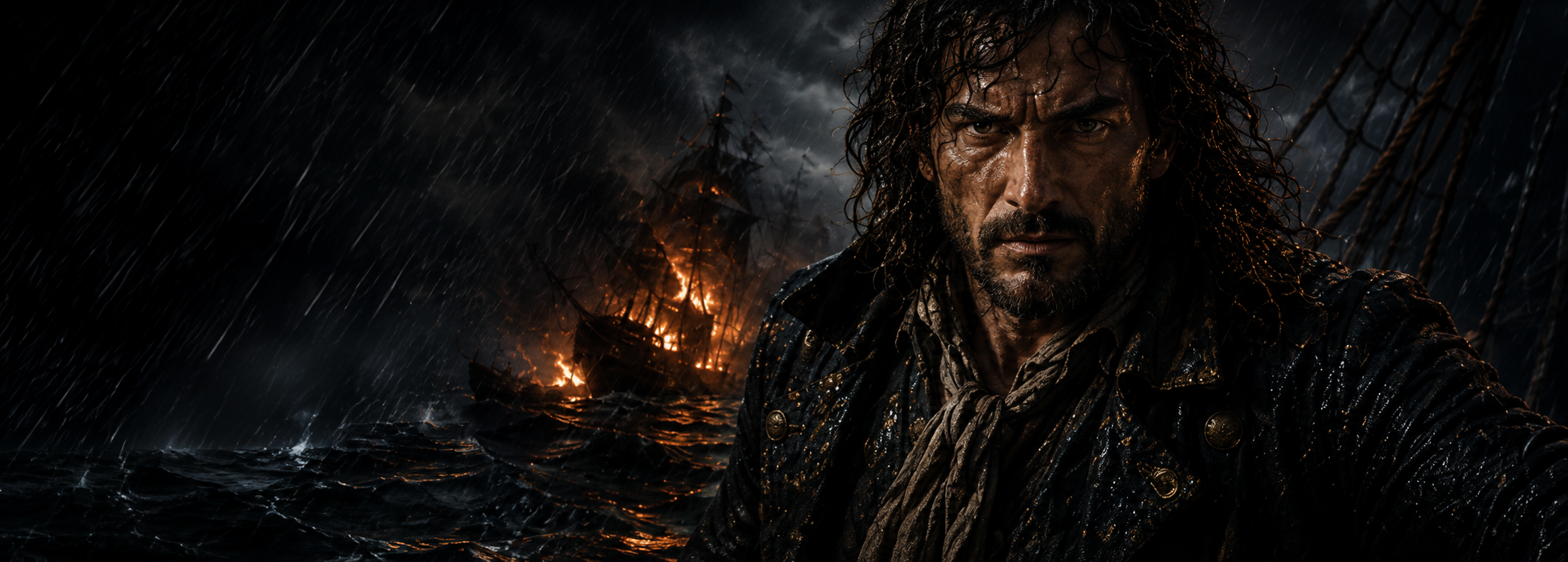
Dramatic artistic interpretation of Charles Vane on a rain-soaked ship with a burning vessel behind him

Dark Tides Legends · Historical dossier

Charles Vane

The Pirate Who Would Not Bend

Fierce, defiant, and unstoppable. Vane defied governors, kings, and his own crew before his fate was sealed at the gallows.

Explore his story

Reconstruction artwork is interpretive. Claims below are labeled by strength of evidence.

Scroll to the record

A reputation forged in refusal

Some pirates chased fortune.
Charles Vane chose defiance.

From the lawless shores of Nassau to the gallows of Port Royal, Vane lived by his own code. He fought for freedom in a world that offered pirates only one end—submission or death.

Image · Evidence · Interpretation
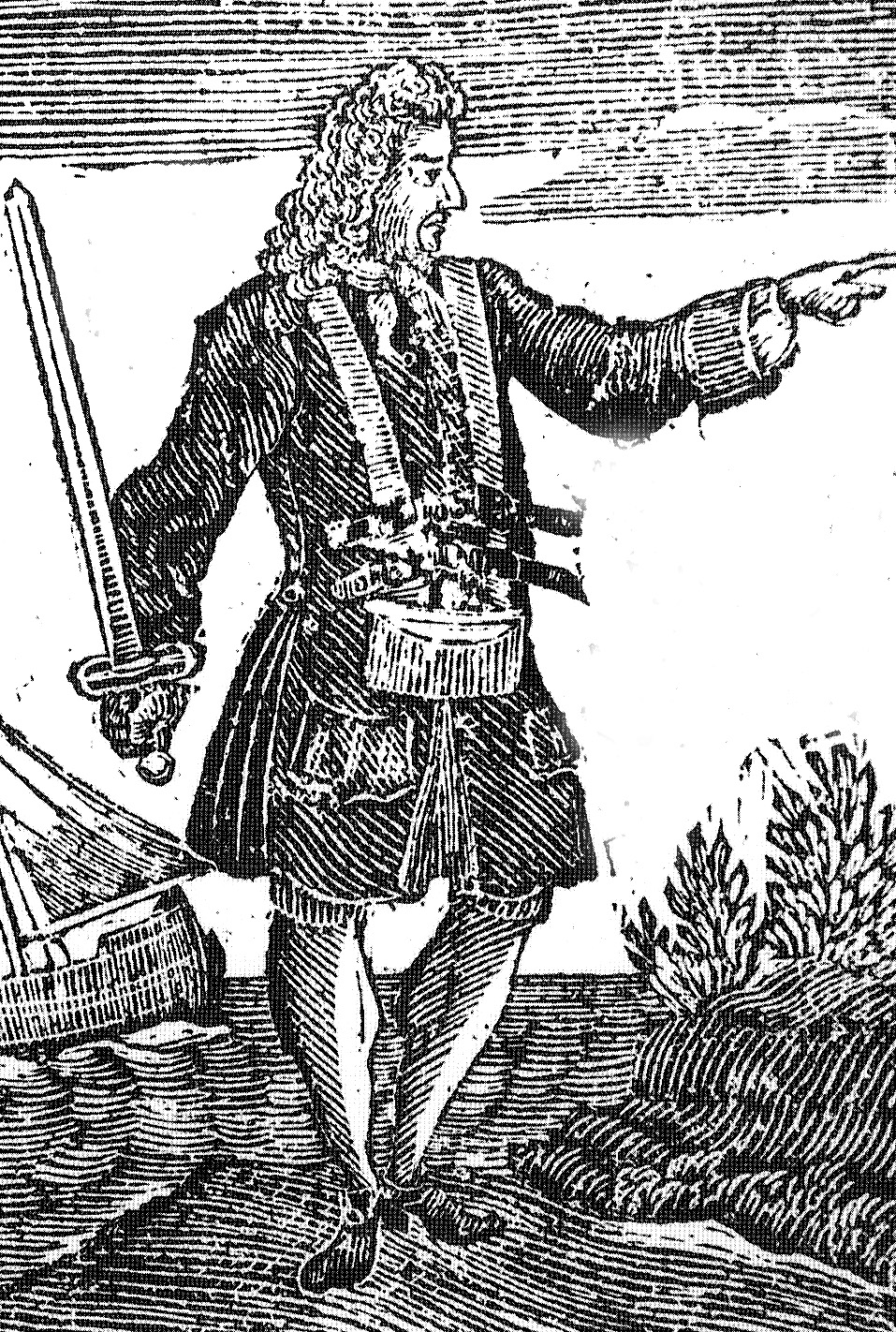
Reconstructing Charles Vane

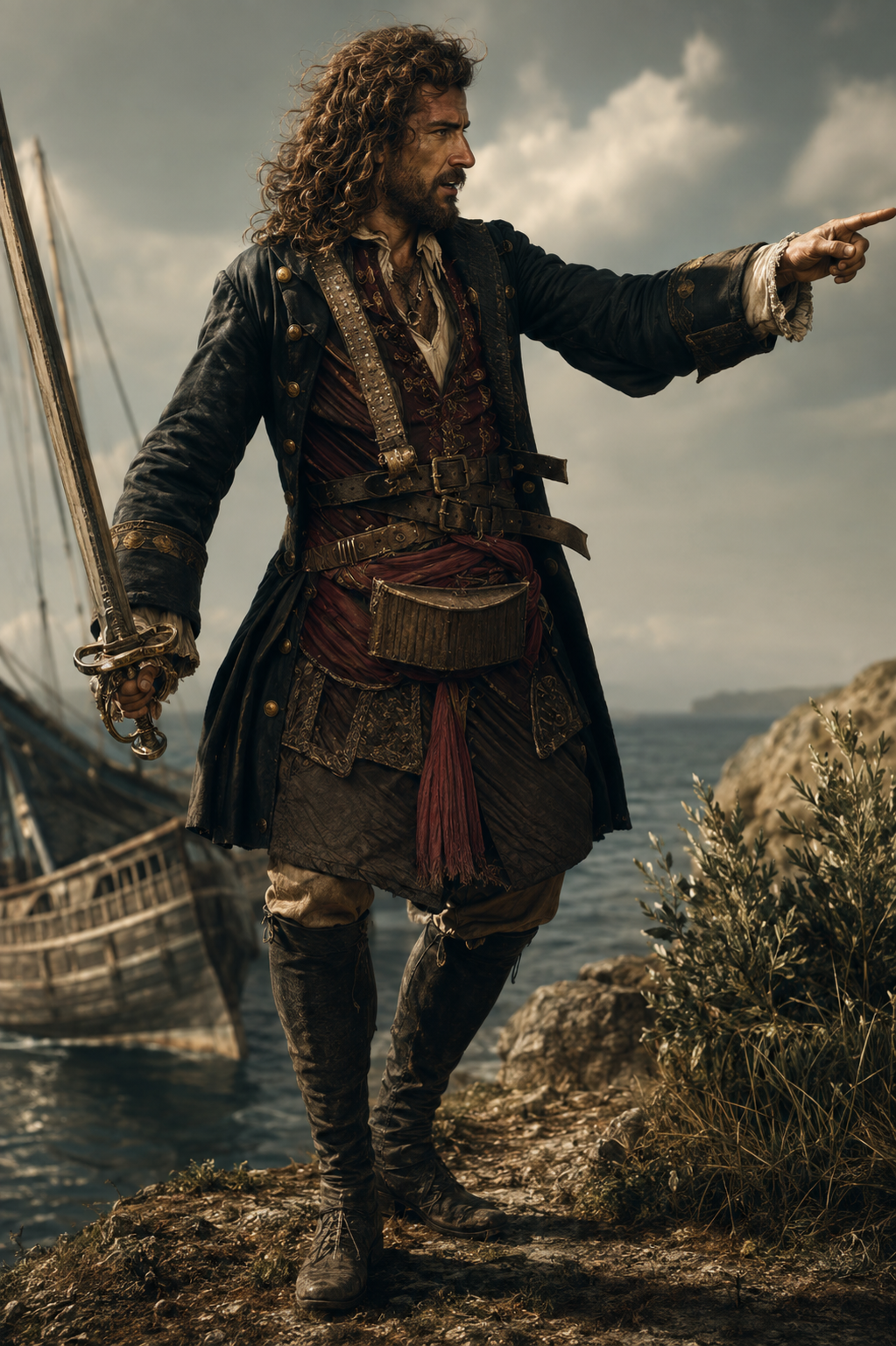
Move the line to compare the traditional engraving with a modern artistic interpretation built around the same pose.
Early eighteenth-century engraving traditionally associated with Charles Vane
Traditional engraving
Modern artistic reconstruction of Charles Vane based on the traditional engraving
Artistic reconstruction

Follow the surviving record

Timeline of defiance

Early piracy

Vane emerges in the Bahamian pirate world before Woodes Rogers arrives to restore royal government.

Contextual record
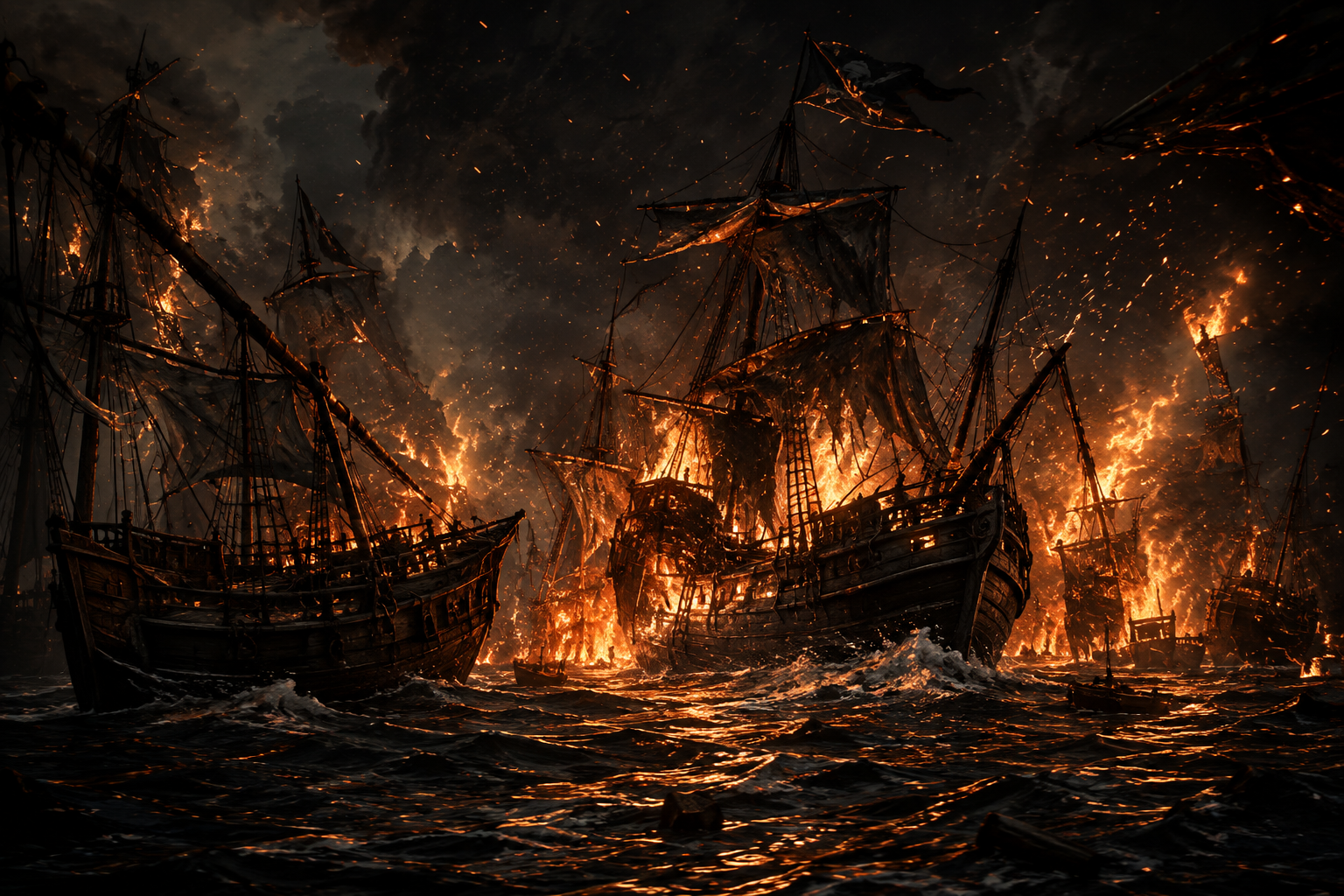
Artistic scene of a burning fireship breaking through a naval blockade

July 1718

The fireship escape

Vane turned a captured vessel into flame and forced his way past Rogers's ships.
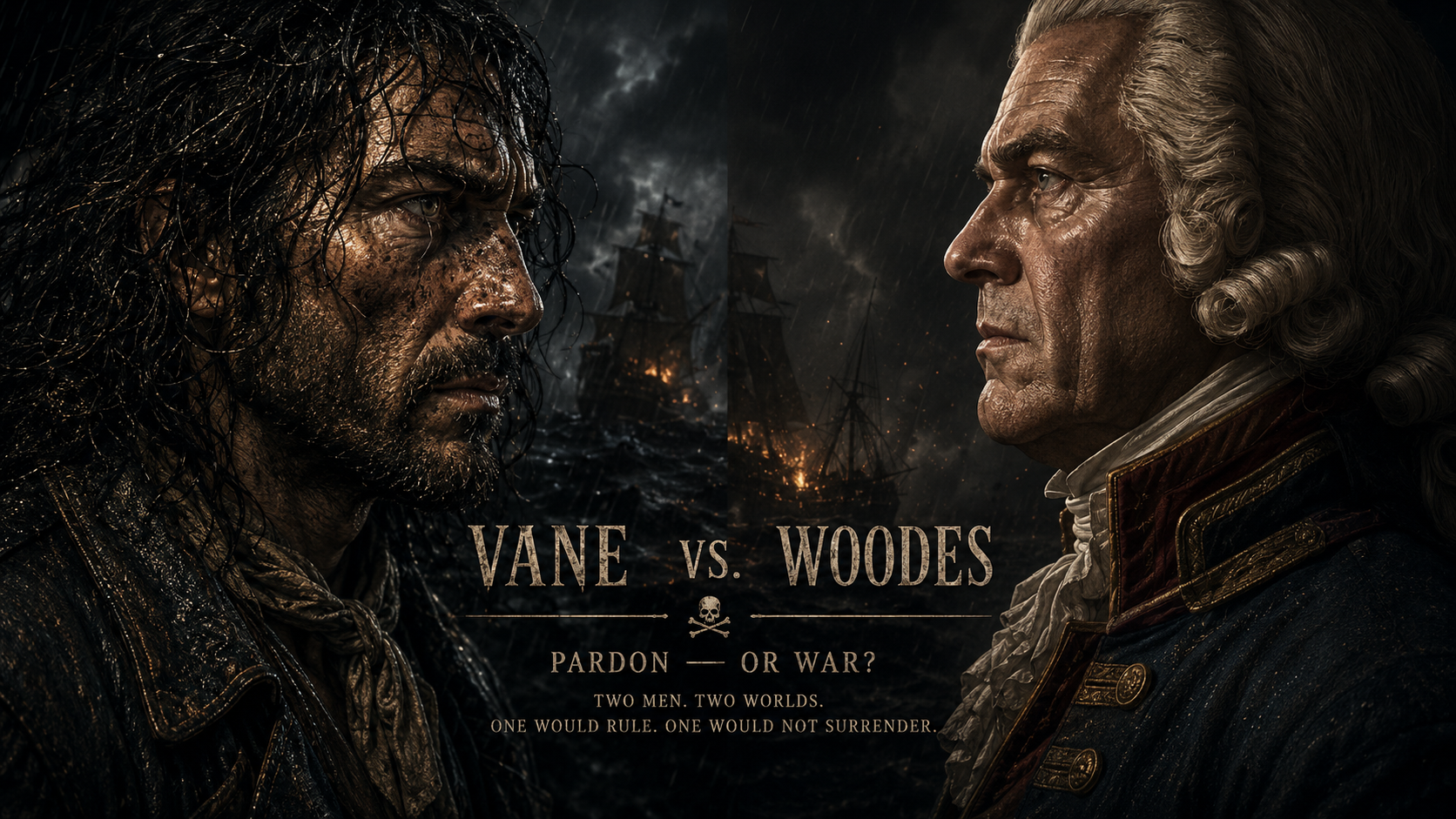
Artistic confrontation between Charles Vane and Woodes Rogers

Vane versus Woodes Rogers

Pardon—or war?

Two men. Two worlds. One would not surrender.
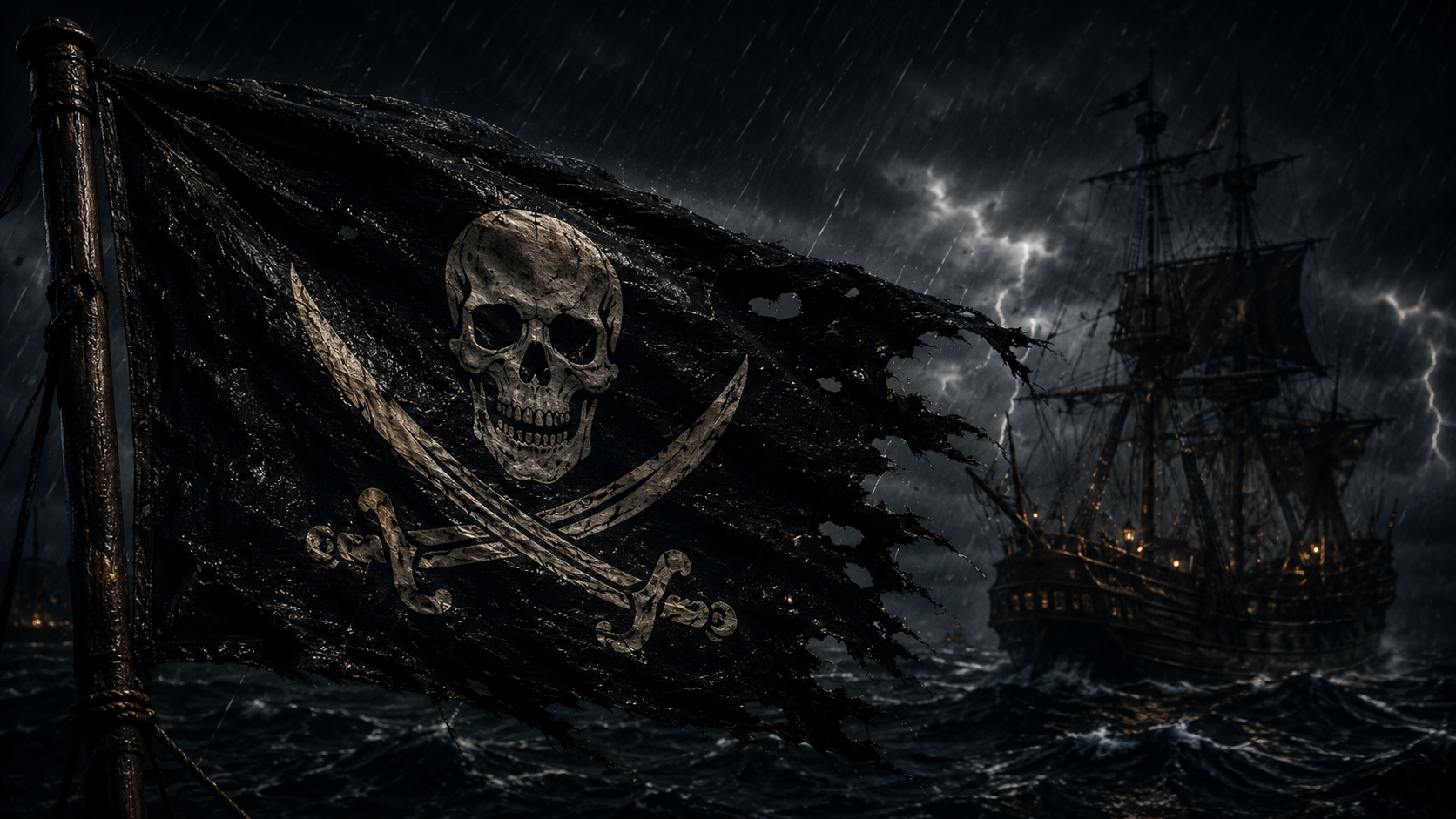
Crossbones and crossed swords on a dark pirate flag

Traditional account

Vane & Calico Jack

Rackam's service under Vane comes from a later narrative, not a surviving contemporary crew list.
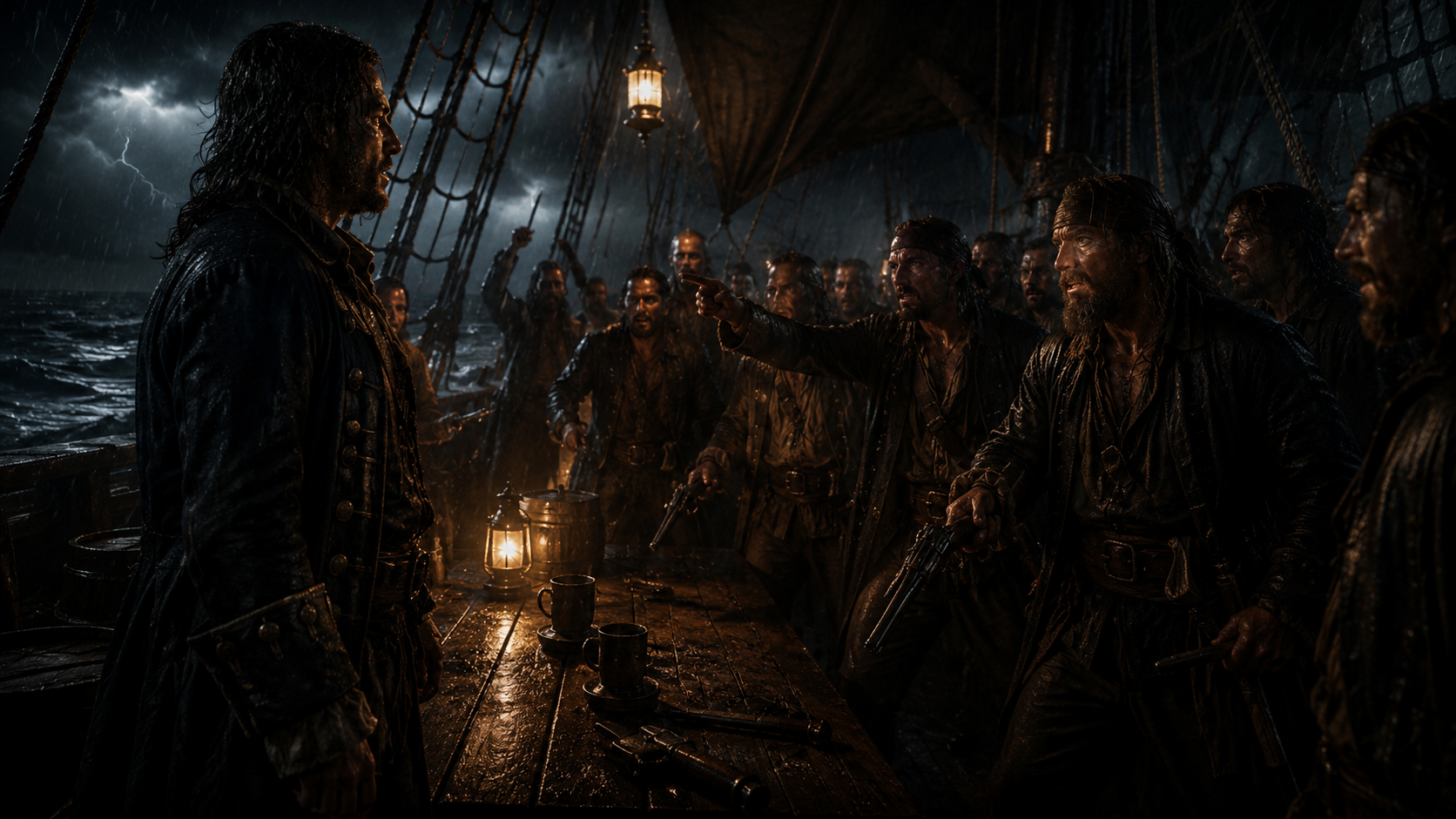
Artistic scene of a pirate crew voting aboard ship

November 1718

The vote that ended his command

Vane's own trial confirms that his crew removed him; the argument that caused it remains disputed.
Artistic scene of Charles Vane stranded after a storm and shipwreck

1719–1720

Shipwreck & capture

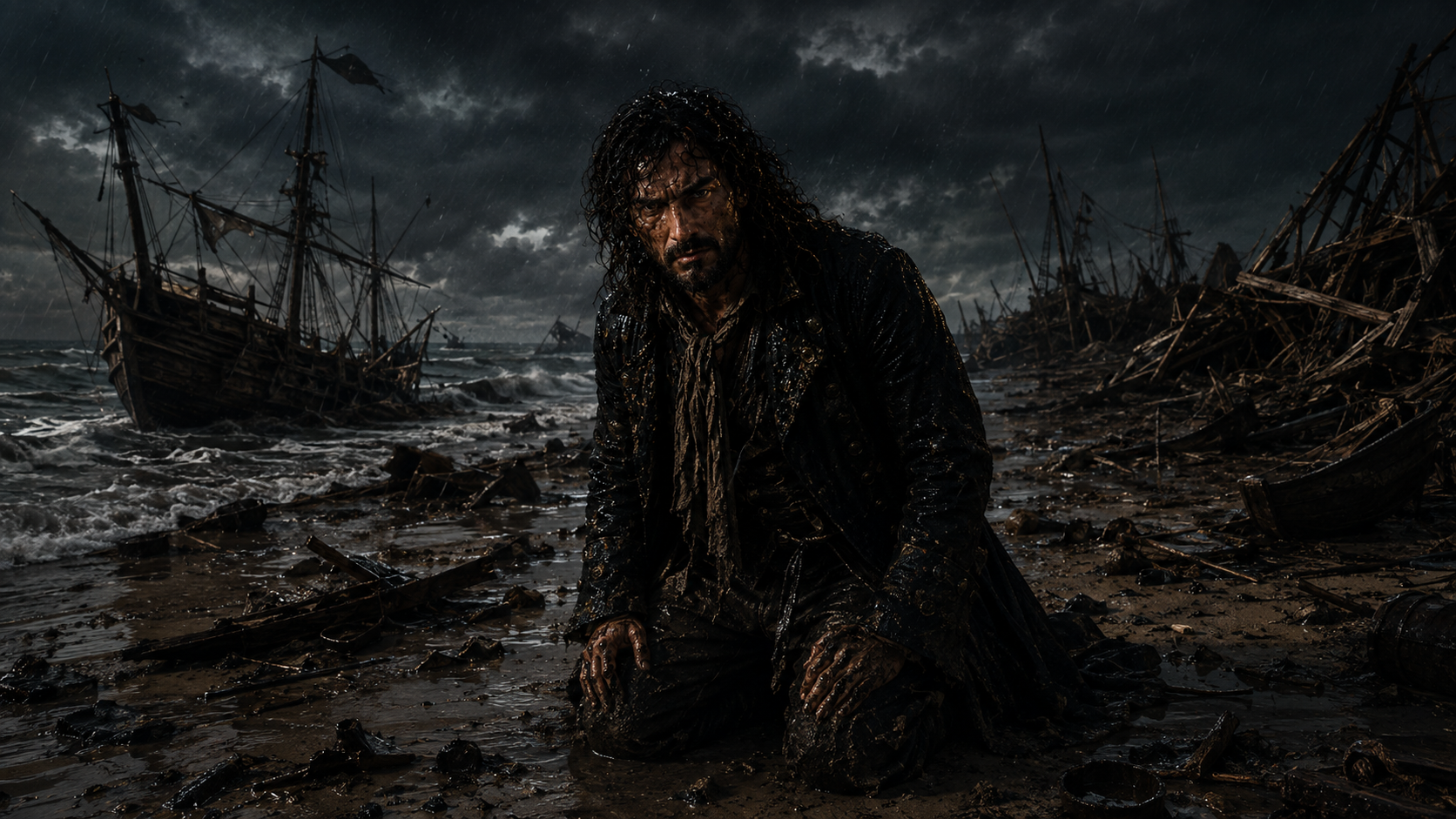
A storm reduced Vane's command to survival. Recognition by an old acquaintance ended his escape.
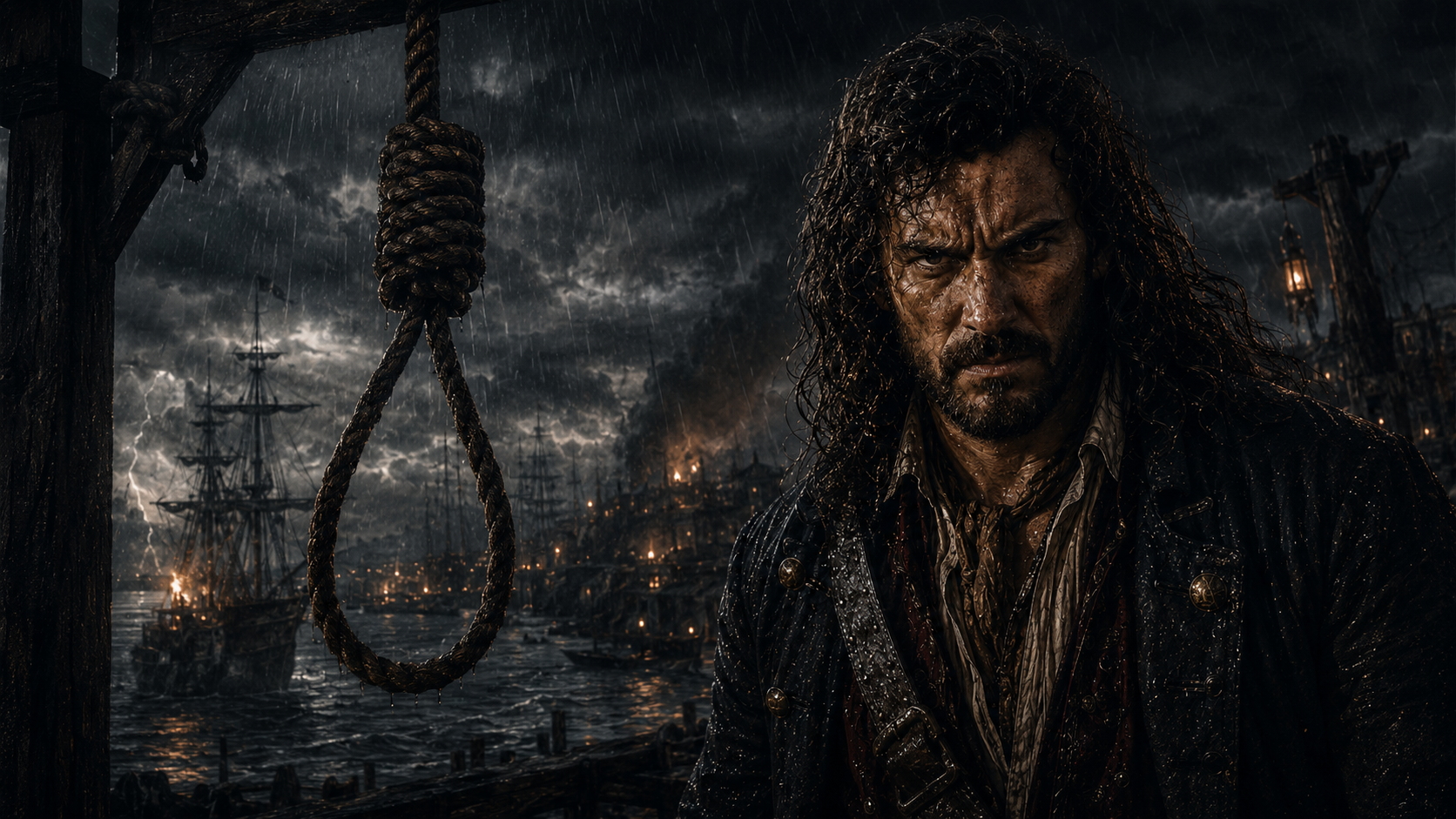
Artistic depiction of gallows at Port Royal with a Charles Vane book cover

29 March 1721

Trial & gallows

Convicted at Spanish Town, Vane was hanged at Gallows Point, Port Royal.

A reader's key

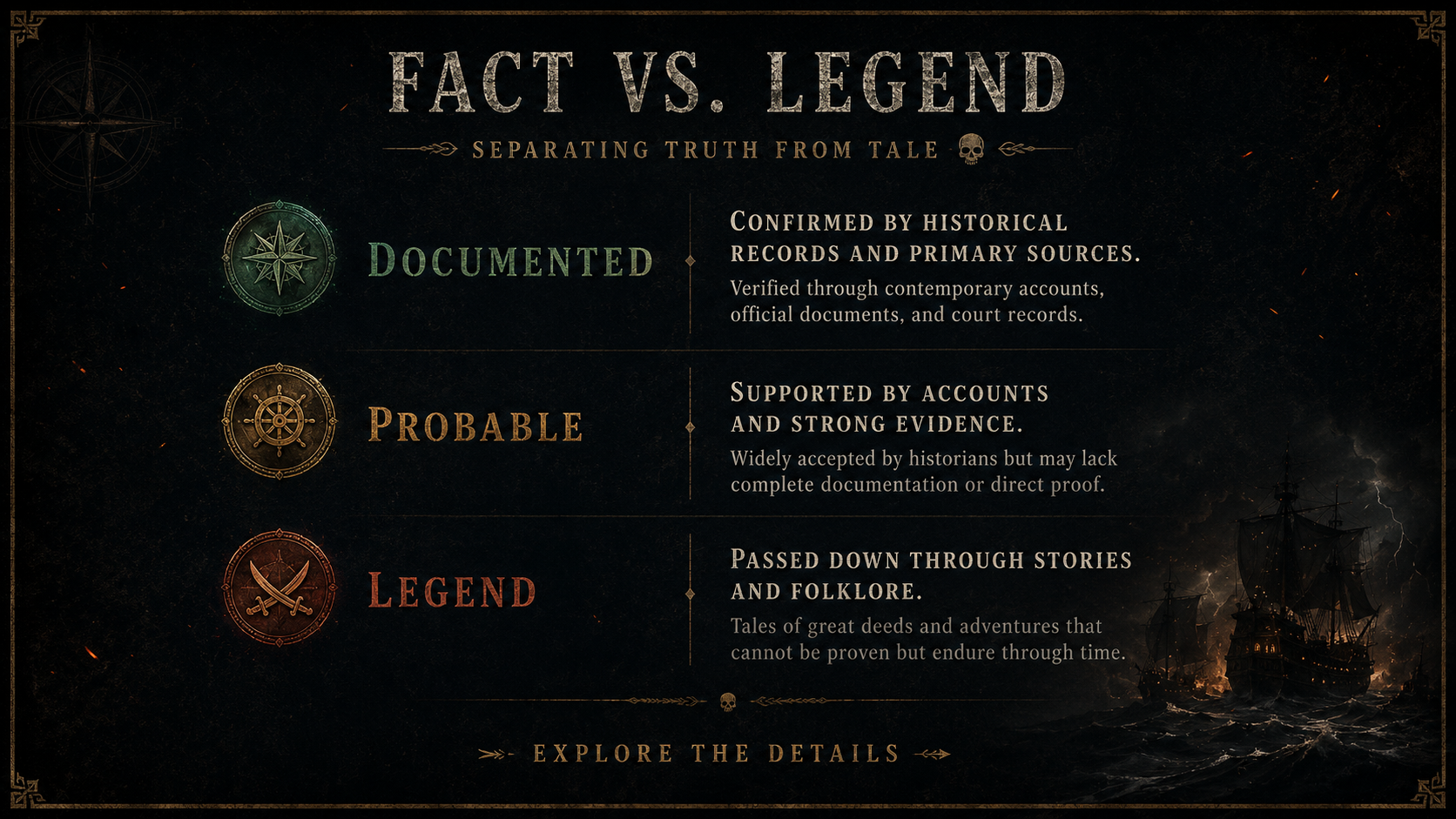
Fact vs. legend

Documented
Confirmed in primary or near-contemporary records.
Probable
Supported by multiple accounts or strong evidence.
Legend
Later tradition, retelling, or unverified detail.
Explore the lore ledger →
Illustrated Fact versus Legend evidence key for the Charles Vane story
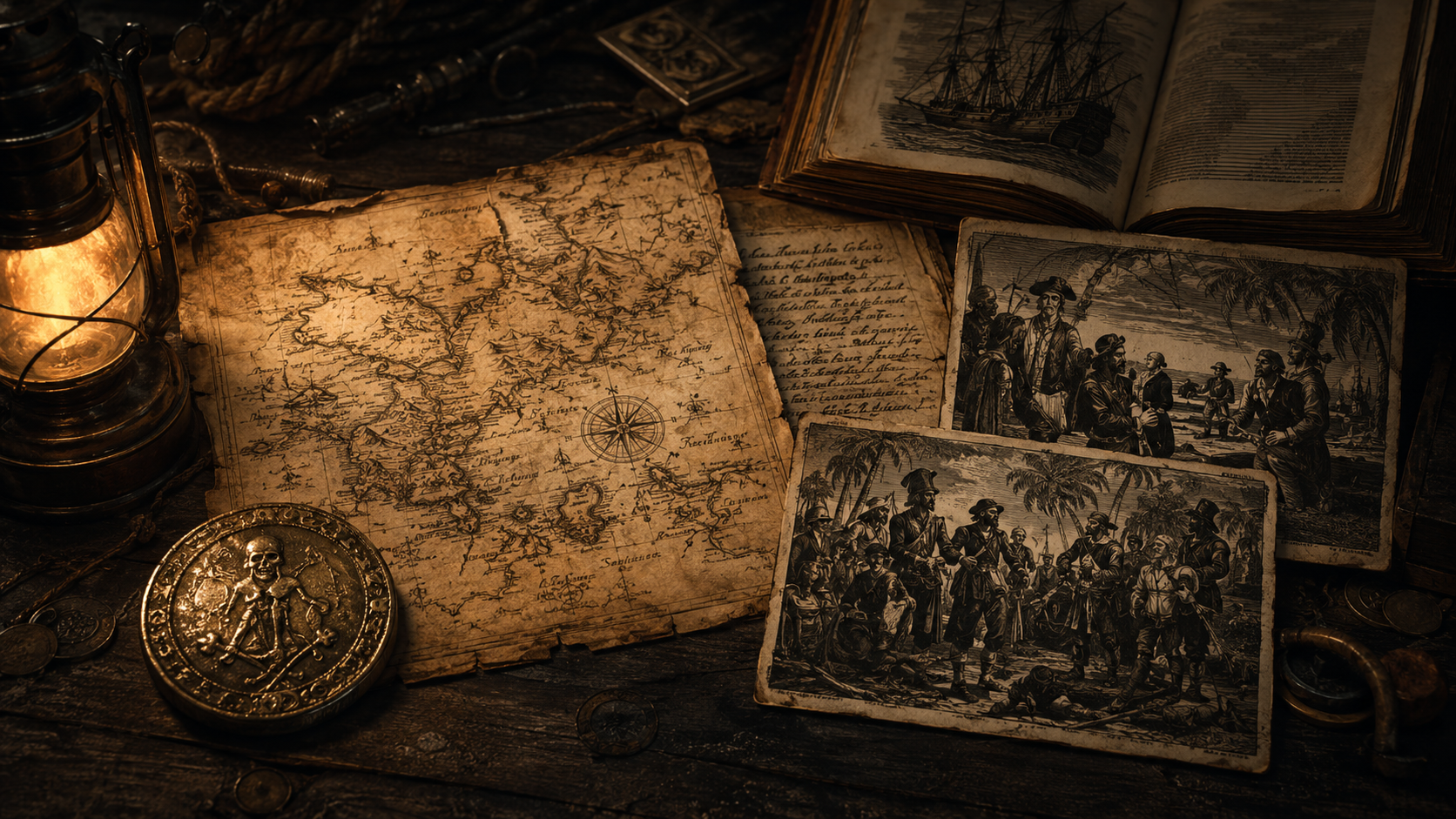
Historical maps, documents, engravings, and a maritime token

Read past the retelling

Artifacts & sources

Charles Vane archive scene with documents, candlelight, skull, and an artistic portrait

The Vane Archive

Study the record. Debate the legend.

Explore sources, share theories, and preserve the stories that built Vane's afterlife.

Enter the archive
Charles Vane at sea beside the words: He could be defeated. He could be betrayed. He could be hanged. But Charles Vane would not bend.

First digital edition · 282 pages

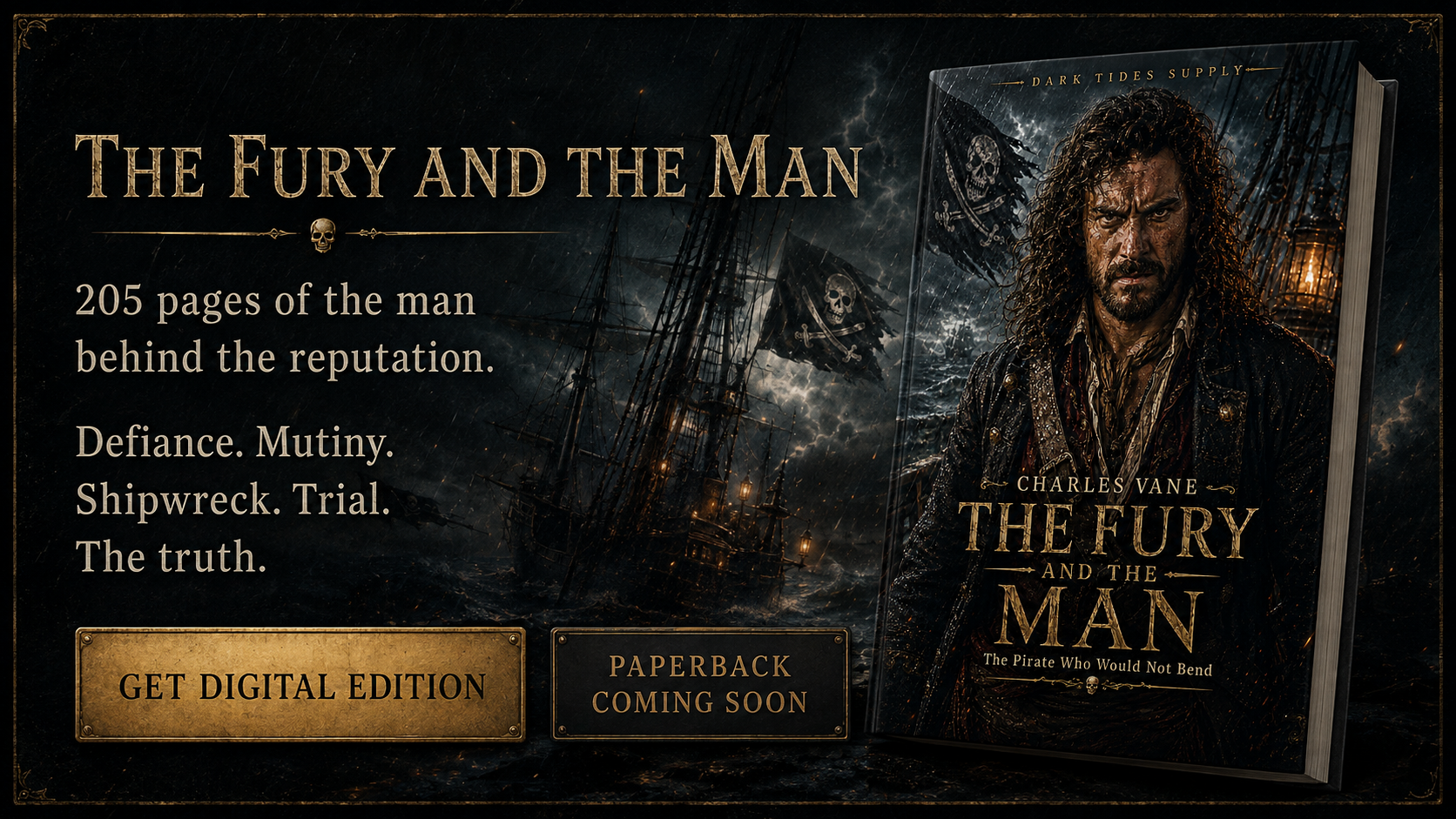
Charles Vane: The Fury and the Man

Front cover of Charles Vane: The Fury and the ManBack cover of Charles Vane: The Fury and the Man

Follow Vane from the sworn record and the Nassau pardon crisis through the fireship escape, crew revolt, capture, trial, and the legend built after his death.

Open in the Captain's Library

Evidence desk

Primary trail

Dates and claims on this page are separated by evidence strength where the sources conflict.